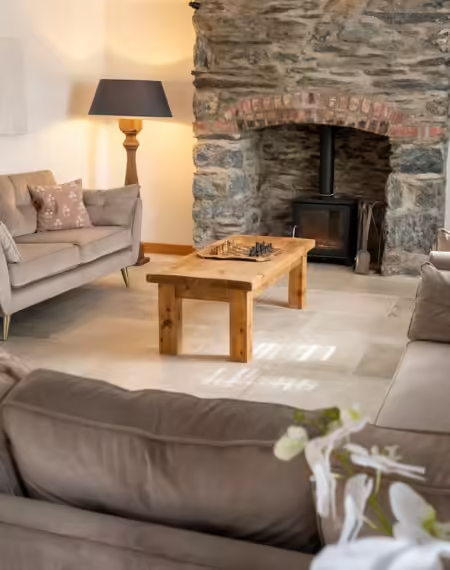

Every great architectural transformation begins with a clear vision, but the journey to realising it often requires a fresh perspective. When our clients acquired Tyn y Wern, it was a very run-down farmhouse that had historically been lived in by an elderly bachelor. Structurally neglected and frozen in time, the property nonetheless possessed immense character and sat nestled within a truly beautiful natural setting.
The clients, a fantastic and highly driven family development team, had great aspirations for this property. Their primary objective was to breathe new life into the estate, transforming the dilapidated structure into a high-end asset that would seamlessly integrate into their growing portfolio and business model. Following an inspiring initial site meeting, we discussed their ambitions in depth. The core concept emerged: to develop this historic property into a luxury holiday let designed to cater to modern tourism demands.
Crucially, the design needed to offer exceptional versatility. The aspirations for the layout were twofold: it had to have the potential to comfortably accommodate large groups for major family milestones or corporate retreats, while also retaining the flexibility to be split down into two separate, self-contained units. This dual-functioning layout made it ideal for accommodating multi-generational guests, allowing grandparents, parents, and children to holiday together while maintaining their own private spaces.
Furthermore, our architectural response had to look toward the future. The end result also needed to have the potential to function seamlessly as a standard family home or a long-term lettable proposition if the holiday letting market collapsed or shifted. This built-in adaptability ensured that the clients’ capital investment remained entirely future-proofed.
Transforming a historical, neglected rural property is never a straightforward task. Old houses like this are a puzzle; there are always complex elements that need to remain both for character and structural integrity. One of the immediate hurdles we faced was a very poorly built, unsympathetic existing extension that marred the property’s original silhouette and compromised its structural stability.
Beyond the physical fabric of the building, navigating the regulatory landscape required careful choreography. The project had initially been looked at for my clients by a local firm, who hadn’t delivered, leaving the development team in need of a robust, reliable architectural partner to unlock their true vision.
Time and ecology also presented distinct challenges. We started working on the scheme from our initial meeting in July 2022. Because of the rural location and the age of the barns and farmhouse, strict ecological considerations were at play. The planning submission was slightly delayed as we had to ensure all necessary ecology surveys, particularly regarding local wildlife habitats, were in place prior to submission. Managing these environmental constraints responsibly was vital to securing permissions without compromising the local ecosystem.
With a strategic plan in place, planning was successfully approved in January 2023. We rapidly progressed through the technical design phase, achieving building regulations approval in May 2023. This paved the way for a swift start on site very soon after, initiating an intensive 12-month build phase where our architectural vision came to life.
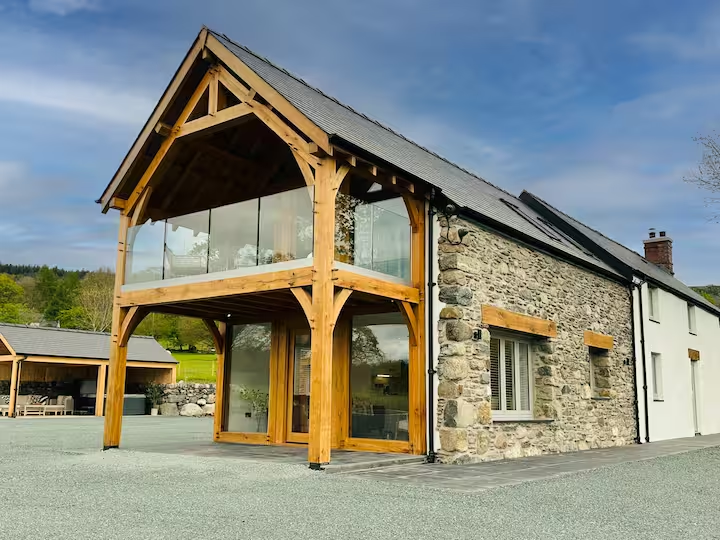
The first major physical intervention involved tackling the structural anomalies. The initial decision was to demolish the poorly built extension, effectively taking the house back to its original historic shell and repairing any deep-seated defects. Following demolition, this blank canvas enabled us to reconstruct a striking new extension to one end of the house.
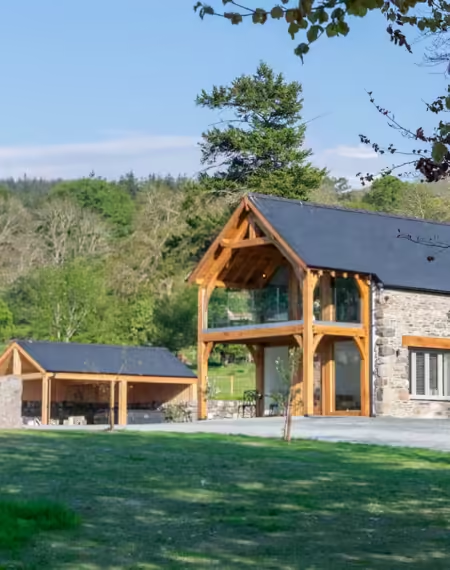
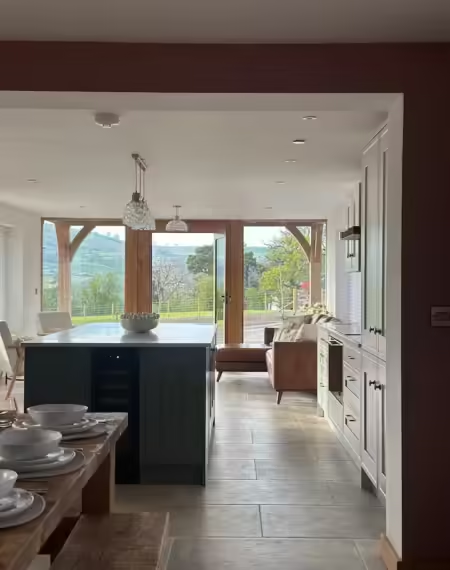
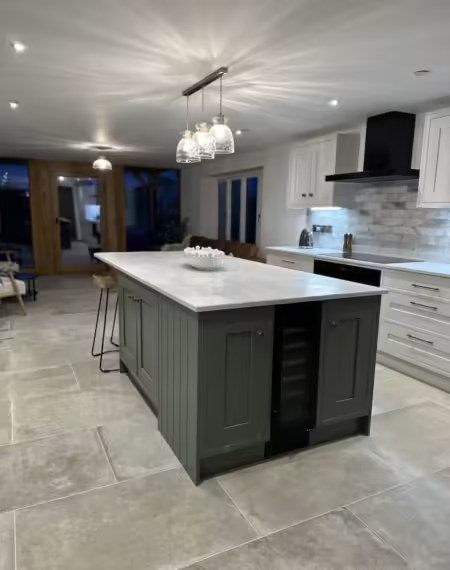
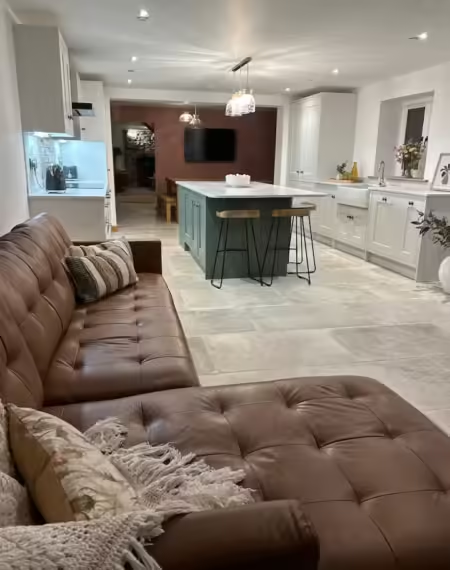
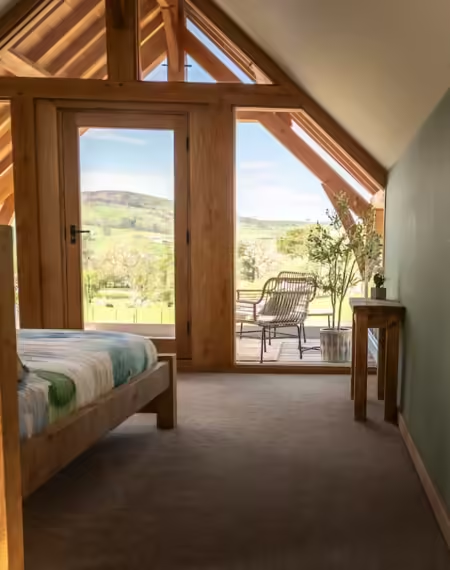
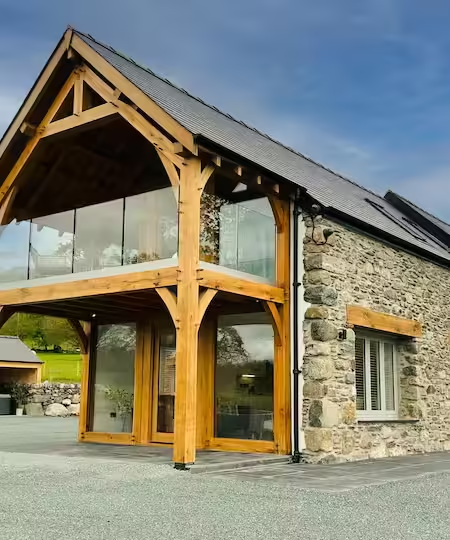
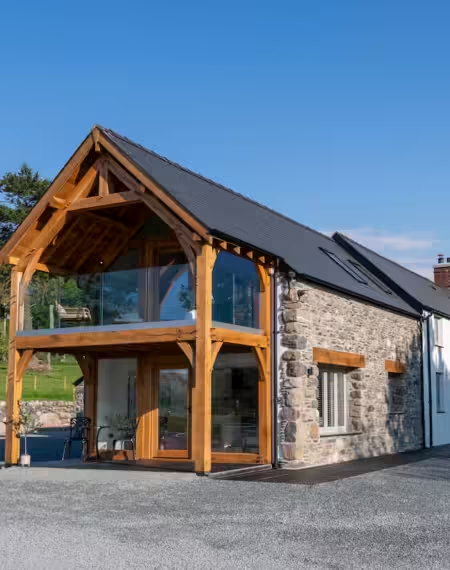
This architectural intervention evolved to be the magnificent, bespoke oak frame element that now defines the property’s contemporary character. Designed to offer a deliberate contrast to the enclosed feel of the older farmhouse, this new addition provided a spacious master bedroom suite and an expansive kitchen and dining space. This area was intentionally designed to be somewhere lighter, a bright, sun-drenched space where large groups would naturally want to gather, cook, and socialise.
Simultaneously, we turned our attention to the outbuildings running parallel to the house. We developed a group of traditional stone barns and steel-framed agricultural buildings, transforming them into a high-specification, linked annex-style accommodation.
To connect the old with the new, these structures were joined with a striking glazed link that flood the thoroughfares with natural light. This link also cleverly accommodated a shared, highly functional utility area, maximising usable space. This configuration ultimately gives the property its greatest potential for handling larger groups or operating as separate, independent accommodation.
The transformation extended far beyond the interior walls. There was also lots of re-landscaping to do across the grounds. Additional native planting and traditional stone walls were constructed, not only to tick the necessary ecological boxes and enhance local biodiversity but all of it served to make this beautiful rural setting even better.
Full completion was achieved in the spring of 2024, marking the end of a rewarding 22 month journey from initial sketch to hand-over.
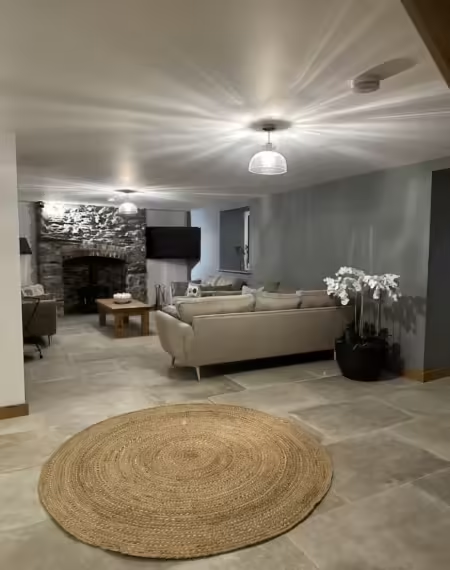
Tyn y Wern has been successfully reborn, flawlessly balancing historic character with striking modern design.
The clients were very pleased with the results. Through a transparent and highly collaborative relationship, we had all worked hard to deliver this fantastic project, overcoming previous development bottlenecks to and multiple challenges along the way.
What was once a forgotten, run-down farmhouse is now an architectural showcase. A flexible, luxury retreat with an enduring legacy that will be enjoyed by many families and visitors for decades to come.
Mouse wheel scroll or select nav items to scroll